POPULAR chatbots ChatGPT and Microsoft’s Copilot are no longer accessible on WhatsApp following changes to Meta’s application programming interface rules, which block third-party AI assistants from operating on the messaging platform.
The AI assistants had been popular on WhatsApp, as they allowed people who only have WhatsApp bundles to access information, study aids, and business tools that would otherwise be out of reach.
Meta said the WhatsApp Business API is intended for businesses providing customer support, not for the distribution of general-purpose chatbots.
Under the updated terms, only Meta’s own assistant, Meta AI, is permitted on WhatsApp, effectively excluding rival AI tools.
For users, the change removes direct access to popular AI services within one of the world’s most widely used communication platforms.
The removal will now likely limit users, many of whom had integrated ChatGPT and Copilot into their daily activities, such as drafting messages, translating text, conducting research, and receiving coding support.
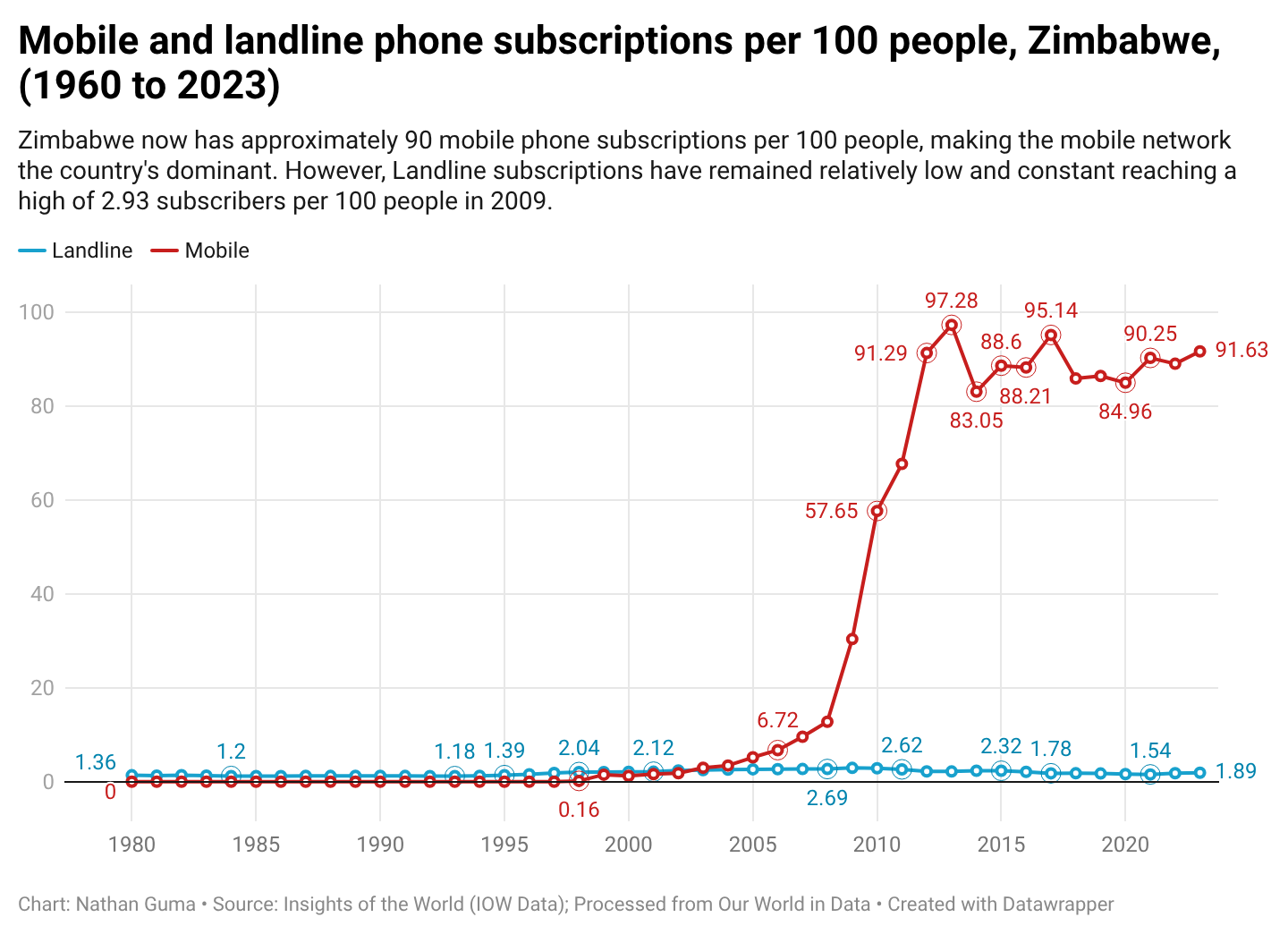
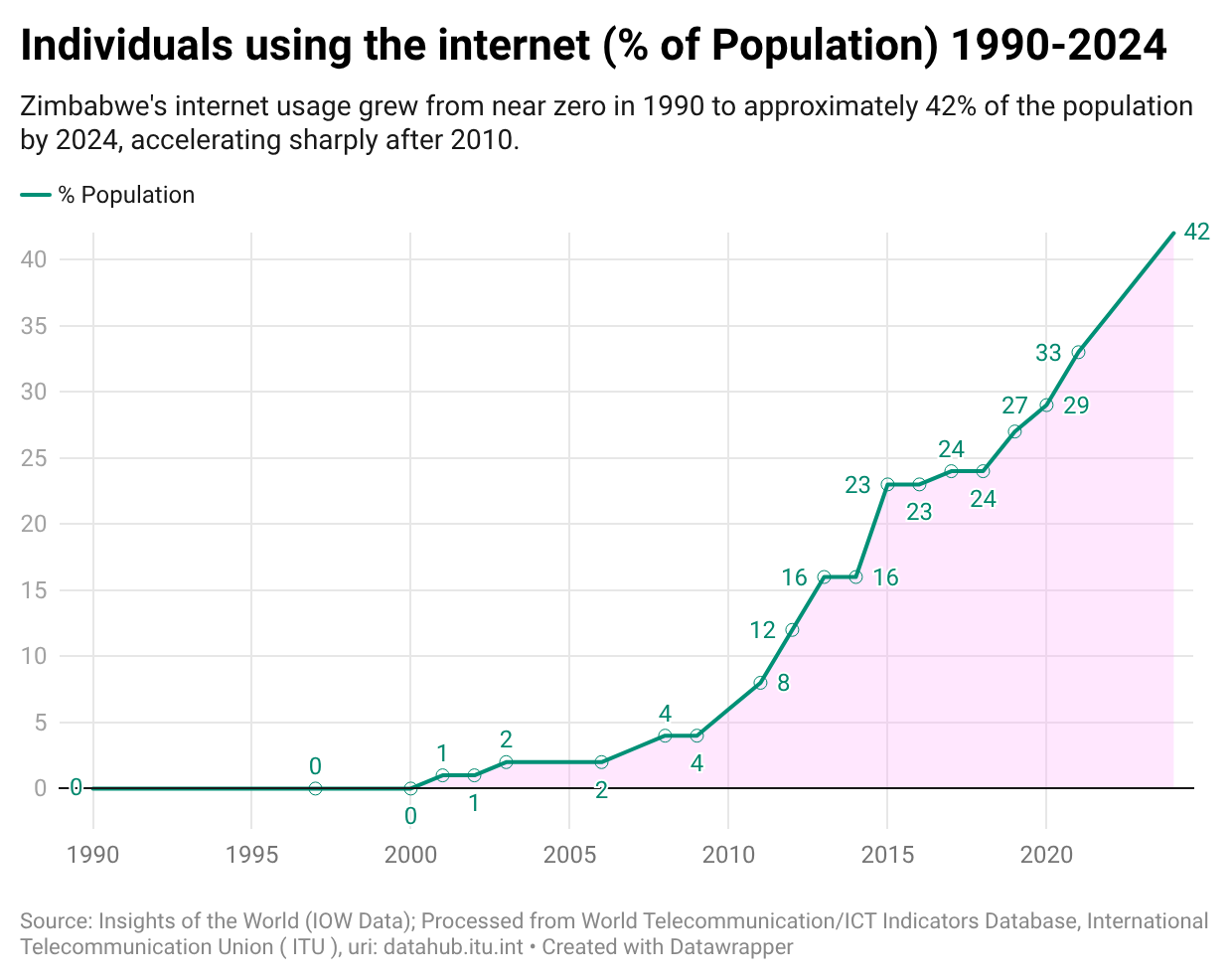
This also means that users facing connectivity challenges are likely to be affected, as some users, particularly in Zimbabwe, had been using WhatsApp bundles to access quality services from ChatGPT and Copilot.
Many African countries face poor internet connectivity, characterised by slow speeds, high costs, and limited infrastructure. However, urban areas and select regions often enjoy relatively better and more reliable access.
However, by restricting WhatsApp to its own AI product, Meta gains greater control over how users interact with artificial intelligence on the platform.
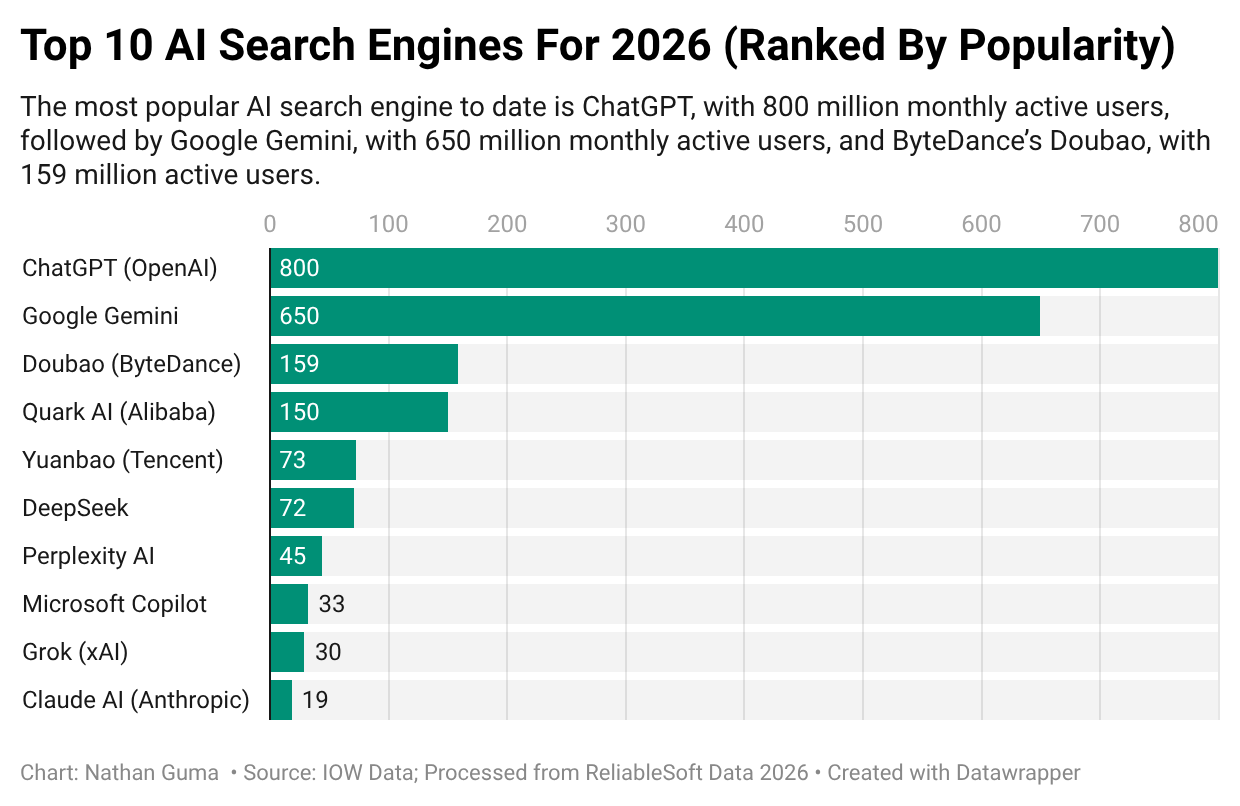
Data from ReliableSoft shows that ChatGPT has been the most popular chatbot in 2026 so far, with over 800 million active users, followed by Gemini with 650 million.
Analysts say this could reduce exposure for competing AI services, particularly in regions where WhatsApp is the primary digital communication channel.
The decision also highlights ongoing concerns about platform dependence, as Meta has previously introduced changes that affected third-party developers, including restricting APIs and altering advertising tools.
The WhatsApp update reinforces the risks faced by companies and users who rely on closed platforms that can change rules with limited notice. – IOW Data.